Lithium-Ion UPS Battery vs. VRLA: The TCO Equation for Modern Data Centers
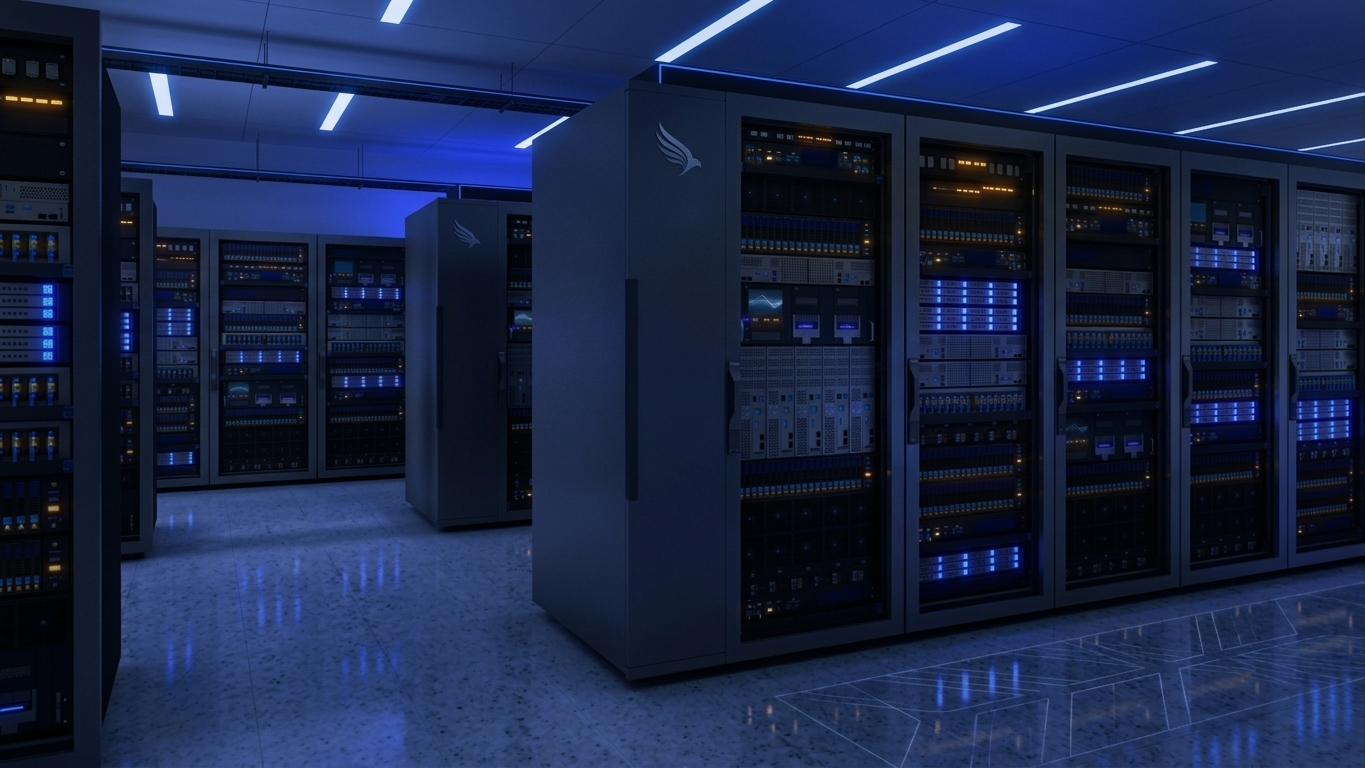
For decades, the data center industry has relied on a familiar, heavy, and high-maintenance technology to keep the lights on during power anomalies: the Valve Regulated Lead-Acid (VRLA) battery. VRLA has served as the standard for Uninterruptible Power Supply (UPS) energy storage, but the rapid growth of high-density computing and Artificial Intelligence (AI) workloads is exposing its limitations. Today, facility managers and IT directors are increasingly turning to Lithium-Ion technology (specifically Lithium Iron Phosphate (LiFePO4)) to meet these higher power demands.
When evaluating UPS battery options, the initial purchase price is only a fraction of the story. A comprehensive Total Cost of Ownership (TCO) analysis reveals that the long-term financial, operational, and safety benefits of LiFePO4 batteries far outweigh the legacy VRLA approach.
The Hidden Costs of Legacy VRLA
At first glance, VRLA batteries appear attractive due to their lower upfront capital expenditure. However, this initial saving is quickly eroded by ongoing operational costs. VRLA batteries are notoriously heavy and bulky, consuming valuable data center floor space that could otherwise be allocated to revenue-generating server racks.
VRLA batteries also have a comparatively short service life, typically requiring full replacement every four to five years. Each replacement cycle carries not just the cost of new batteries, but the labor, shipping, and disposal fees associated with heavy lead-acid units. On top of that, VRLA cells are highly sensitive to temperature fluctuations: to hold their rated lifespan, data centers must run continuous air conditioning to keep battery rooms at a tightly controlled 25°C (77°F). Every degree above that threshold accelerates degradation, leading to premature failure and higher cooling costs.
The Lithium-Ion Advantage: A TCO Perspective
Given these ongoing costs, it’s worth examining how Lithium-Ion technology changes the TCO equation. Industry projections indicate that Lithium-Ion UPS solutions can deliver TCO savings ranging from 10% to 40% over their design life compared to comparable VRLA systems, driven by two key factors:
- Lithium-Ion batteries offer a significantly longer service life
A high-quality LiFePO4 battery can last 10 years or more, effectively eliminating at least one — if not two — full replacement cycles required by VRLA systems over the same period. That longevity drastically reduces maintenance labor and replacement capex over the life of the UPS.
- Lithium-Ion batteries offer much higher energy density
They pack the same power output into a footprint up to 50% smaller, at a fraction of the weight, compared to their lead-acid counterparts. That reduction in size and weight frees up premium data center real estate and simplifies installation, particularly valuable in edge computing deployments or facilities with floor-loading restrictions.
Why LiFePO4 is Well-Suited for UPS Applications
It’s important to note that not all Lithium-Ion chemistries are equal. The chemistries used in consumer electronics, such as Lithium Cobalt Oxide (LiCoO2) or Lithium Polymer, offer high energy capacity but are susceptible to thermal runaway — a dangerous condition that can lead to overheating and combustion. In a mission-critical data center environment, that fire risk is simply unacceptable.
This is where Lithium Iron Phosphate (LiFePO4) distinguishes itself as the premier choice for UPS applications. LiFePO4 is a highly stable chemistry that is inherently resistant to thermal runaway, providing maximum safety and reliability without the risk of combustion. It’s also more environmentally sound, containing no caustic materials or hazardous off-gassing.
The data center landscape is evolving too rapidly to rely on outdated power storage technology. VRLA batteries may carry a lower initial price tag, but the TCO equation heavily favors Lithium Iron Phosphate. By investing in a reliable UPS with LiFePO4 technology such as Falcon’s, organizations secure a safer, more compact, and longer-lasting power protection solution, while achieving significant long-term financial savings. In the modern data center, true reliability means looking beyond the purchase price and investing in the future of power.
Key Takeaways
- TCO beats sticker price. VRLA’s lower upfront cost is offset by shorter lifespan, higher replacement frequency, and increased cooling requirements. Lithium-Ion UPS solutions can deliver 10-40% TCO savings over the design life of the system.
- Replacement cycles matter. VRLA batteries typically need full replacement every 4-5 years, while LiFePO4 batteries can last 10+ years, eliminating one or two replacement cycles and the associated labor, shipping, and disposal costs.
- Footprint and weight are engineering constraints, not just cost line items. LiFePO4 batteries deliver the same power output in up to 50% less space and significantly less weight. This is a meaningful factor for edge deployments and floor-loading-restricted facilities.
- Not all lithium chemistries are safe for mission-critical environments. Unlike LiCoO2 or Lithium Polymer, LiFePO4 is inherently resistant to thermal runaway, making it the appropriate lithium chemistry for data center and critical-power applications.
Latest Posts
Telecom UPS Systems: Powering Connectivity & Critical Infrastructure
The telecommunications industry is the backbone of our connected world, enabling everything from daily communications to mission-critical infrastructure. But that backbone is only as strong as… Read Post
Railway Signaling Backup Power: Eliminating the Single Point of Failure
Rail signals fail because power distribution fails first. It fails when a dual-control switch machine loses terminal voltage mid-stroke, leaving the points unlocked. It happens… Read Post
How AI Workloads Are Redefining UPS for Data Centers
Traditional data centers were designed for workload that requires around 15 kW per rack. The numbers have changed since AI was introduced, pushing workloads even up to 120 kW per rack,…Read Post